CD Focus
Charts
and Playlists
Contact
Interviews
New Releases 2023
New Releases 2024
Q & A
Reviews
All Reviews Index
Reviewers Index
Ambient Visions on
the Bluesky platform
Our new home!

Ambient Visions on Twitter


Ambient Visions Supports independent Musicians

The New Age Music Circle Ning website. Check
it out today.
co
Sam Rosenthal
Projekt Records
Fight Piracy. Help your favorite artists fight illegal file sharing!
AV's
Q&A
With Forest

|
|

|
A World of Music in Focus |
|
|

|
|
An Abandoned Day
|
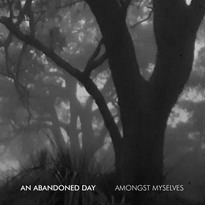
An Abandoned Day by Amongst Myselves It’s always a pleasure to welcome a new release from
Australian ambient artist Steve Roberts, aka Amongst Myselves. Steve’s new
album became available on December 1st and, as usual, is something
that I think you will enjoy. An Abandoned Day was created between 2020 and 2023
and has as its theme endings. As you might suspect with an overall topic such
as that, the music you will find here is contemplative and filled with the emotions
of separations or the natural closings of chapters in our lives, whether those
endings come through death or through the changes that inevitably arise for all
of us as we move through the linear time that makes up our existence. Although the themes behind the music are sometimes difficult to contemplate, this music seems to capture the concepts quite nicely. It gives us some room in our minds and hearts to think about the endings we face as individuals and collectively the possible endings we might meet as humans given our current unfortunate direction we are heading in relationship to our planet. There is an encouraging element to this music if someone is willing to look into themselves, be aware of their lifecycle, and understand the finite nature of who and what we are. It will allow us to make the best of our time and be the kind of human beings that we long to be. |
|
|
AV's Upcoming, New and Notable Releases
|

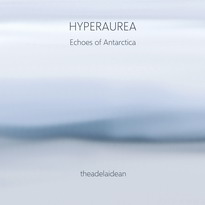
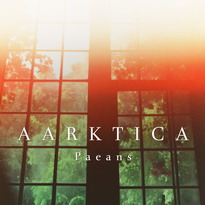
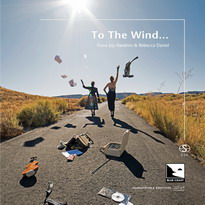
|
Sverre Knut Johansen
|
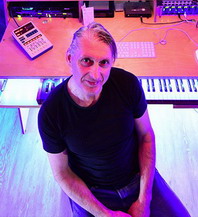
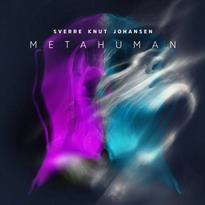
AV's Quick Interview METAHUMAN AV's Quick Interview With Sverre Knut Johansen Sverre Knut Johansen was born in 1960 and is from Mo i Rana, Norway. Sverre’s first electronic album in 1994 and was produced by Erik Wøllo on the Norwegian label Origo Sound. In 1999, he released The Source of Energy, followed by Planets in 2012. Sverre began distributing his music in 2013 on his own Origin Music label for download and streaming. METAHUMAN is his sixth album for Spotted Peccary Music. The music of Sverre has always had rich content and strong melodic elements that have become his trademark. Symphonic electronic music dominated the first releases but his more recent releases vary widely in style, as Sverre makes music that is both lyrical and rhythmic and often with elements of classical and electronic ambient music genres. Sverre is inspired by Norwegian artists Hvìtur Hestur and Different Directions from the electronic jazz world. Sverre’s releases Nightshift and Elements of Light were inspired by the work of Steve Roach. Click here for this quick Interview with Sverre Knut Johansen Other Quick Interviews on Ambient Visions Legacy AV's Quick Interview with Stefan Strand aka Between Interval |
|
Jeff Pearce |
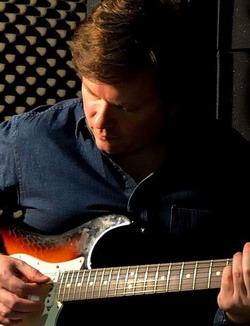
Infinite Ambient: AV talks with Jeff Pearce Called “an avatar of ambient guitar” by Echoes radio host John Diliberto, and “one of the top two electronic guitarists of all time” by the AllMusic guide, Jeff Pearce has quietly and consistently pioneered his ethereal style of ambient guitar since his first CD release in 1993. Jeff’s music can be heard on radio programs around the world, and on the SiriusXM Spa channel. Jeff’s music has been featured and reviewed in magazines such as Guitar Player, Downbeat, and Billboard. In 2017, Jeff’s 13th album, “From the Darker Seasons”, reached #6 on the Billboard Magazine New Age sales chart, and in 2019, his 14th album, “Skies and Stars”, reached the #2 position on the same chart. When he’s not making music and creating new Experiences for this site, Jeff enjoys carving new trails through his woods, searching for the perfect chai latte, and being an almost acceptable human lounge chair for his cat. Unlike music created by random music generators, the heart of these Infinite Ambient Listening Experiences are sections of music created by a real human (that would be me, Jeff Pearce). The creation of these sections of music requires extra care, making sure that each section can drift gently into the next section. Then the focus is on creating enough of these sections to where a genuine musical experience can happen. Thanks to specialized random number generators, the chances of you having the same Infinite Ambient Listening Experience more than once is somewhere around zero percent. I wanted to find out more about these Infinite Ambient Experiences to share with the readers of Ambient Visions so over a period of a few days Jeff and I went back and forth via e-mail talking about how Infinite Ambient came about and what goes into making it work. I'm sure you will find this to be a fascinating interview about what is musically possible in the age of technology. ---Editor AV talks with Howard Givens about Spotted Peccary Records |
|
An Abandoned Day
|
An Abandoned Day by Amongst Myselves It’s always a pleasure to welcome a new release from
Australian ambient artist Steve Roberts, aka Amongst Myselves. Steve’s new
album became available on December 1st and, as usual, is something
that I think you will enjoy. An Abandoned Day was created between 2020 and 2023
and has as its theme endings. As you might suspect with an overall topic such
as that, the music you will find here is contemplative and filled with the emotions
of separations or the natural closings of chapters in our lives, whether those
endings come through death or through the changes that inevitably arise for all
of us as we move through the linear time that makes up our existence. Although the themes behind the music are sometimes difficult to contemplate, this music seems to capture the concepts quite nicely. It gives us some room in our minds and hearts to think about the endings we face as individuals and collectively the possible endings we might meet as humans given our current unfortunate direction we are heading in relationship to our planet. There is an encouraging element to this music if someone is willing to look into themselves, be aware of their lifecycle, and understand the finite nature of who and what we are. It will allow us to make the best of our time and be the kind of human beings that we long to be. |
|
Peter Phippen
Into the Ancient
|
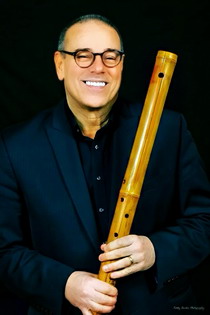
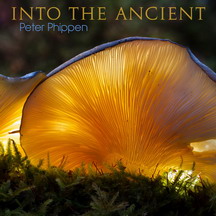
Into the Ancient: AV talks to Peter Phippen Peter Phippen is a Grammy Award Nominee, International Acoustic Music Awards Nominee, One World Music Awards Nominee, multiple Native American Music Awards Nominee and a 2021 Native American Style Flute Awards Lifetime Achievement Awards Recipient. Phippen is a performing and recording artist specializing in traditional flutes from around the world. Over the past three decades Phippen has researched the history and performance technique of flutes both ancient and modern. In his approach to world flute performance, he is an experiential, natural folk musician with a penchant for creative and artistic musical improvisation. Phippen offers a captivating collage of sound images, covering the folklore and history of flutes from around the world and throughout time. Phippen performs an enchanting mix of the very old and very new in music. He has shared the stage with R. Carlos Nakai, Coyote Oldman, Xavier Quijas Yxayotl, and many more. As a recording artist, Phippen has recorded for Curb Records, Canyon Records, and Promotion Music Records. Phippen's flute playing has also appeared on Lifescapes, Sounds True, and Heart Dance Records. To read AV's interview with Peter Phippen click here Other Artist Interviews on Ambient Visions How To Breathe Like a Stone: AV talks to Anne Chris Bakker & Andrew Heath |
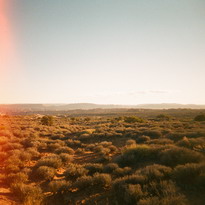
|
Desert Meditations
|
Desert Meditations by Swartz et If you aren’t already familiar with Swartz et’s (aka Steve Swartz) musical work then I think it is about time to introduce him to you. Steve’s latest album is due to hit Bandcamp and the streaming sites on April 8, 2022 and after listening to it several times since downloading a review copy, I have to say I’m sure you will enjoy what Steve has created for you. The title Desert Meditations really captures the essence of what this album is all about. The music is contemplative and peaceful as Steve creates a sonically rich soundscape that gently washes over the listener and transports you to a place where your spirit is able to open up to your inner realms. Desert Meditations consists of 10 tracks beginning with an appropriately titled track called Department of the Interior. The title seems like a sign post to what lies ahead as you journey within yourself during the course of this album. The album was recorded in various places throughout southeastern Utah and it’s obvious upon listening that the music has absorbed a fair amount of desert energy simply by it coming into existence surrounded by the open spaces and the isolation of the desert. The introspective nature of the music is a direct reflection of the effect of the desert on Steve as he composed and created the music found on his latest project. |
|
As Dusk Becomes Night
|
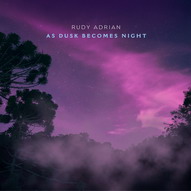
As Dusk Becomes Night, Rudy Adrian‘s 17th full length studio album, offers a serene and personal exploration of sounds and atmospheres that slowly transition from evening into twilight and on through the night. Whether it is the strolling through a park with trees silhouetting a star-speckled sky, looking down to a desolate moonlit beach, or observing the twinkling lights of a city from above, the delicately shifting synthesizer overtones and calming organic textures simulate the moment of the astronomical twilight in the artist’s native New Zealand homeland. Subtlety, nuance, and ineffable moments can be skillfully expressed at the hands of such an accomplished electronic music artist, and Rudy Adrian’s mastery of ambient electronic soundscapes is in top form as the album’s eleven stunning tracks are rich with the deep and mysterious tranquility for which he is so well known. Moving through the magical moods of evening, As Dusk Becomes Night reveals an ear-opening sonic wonderland where shifting hues and deep fading light are magically transformed into awe-inspiring moments of introspection; a wondrous gloaming that eventually gives way to deep heavenly nightscapes.
|
|
Quiet Music
|
Projekt Press Release
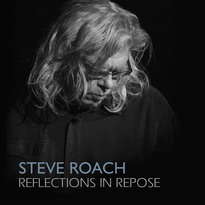
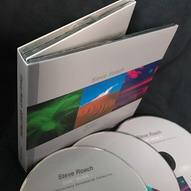
Steve Roach: Quiet Music (35th Anniversary Remastered 3-Hour Collection) (3CD/Digital) Available from Projekt, the Projekt European Webstore, Projekt's Bandcamp store, High Resolution at Spotted Peccary Music. Steve Roach is a leading American pioneer in the evolution of ambient/electronic music, helping shape it into what it is today. Grammy nominated in 2018 and 2019 consecutively, his career spans four decades and nearly 150 releases. Drawing from a vast, unique and deeply personal authenticity, his albums are fueled by the momentum of a lifetime dedicated to the soundcurrent. The meditative, ambient minimalism of Steve Roach’s classic 1983-86 Quiet Music series is rereleased in its entirety with a meticulously remastered 35th anniversary edition. The luscious quality and subtle tonal beauty reveal the essence-of-tone of the multi-track master. Originally published on cassette and later in a truncated 2CD edition, Projekt now presents this landmark album as Roach envisioned it. Created in respect for silence, Quiet Music originates from the same era as Roach’s classic 1984 release Structures From Silence. This series finds the gentle electronics of synthesizers mixing with flute, electric piano and natural sounds flowing like breath, enveloping the listener in a sustained, delicate, translucent atmosphere. Harold Budd, Los Angeles, 1986: “I think Steve Roach’s Quiet Music is his best album. It’s not that it’s simply pretty (which it is), but there’s an odd edge lurking in the background that moves it miles away from ‘New Age’ torpor. This is a lovely album from a composer working at the top of his skills.” Today, these pieces stand as a cornerstone in body-work, yoga, and healing therapies. The soothing, introspective nature of Quiet Music flows at a time-suspending pace, gently evolving and using space to expand and explore the essence of silence. The space between the notes and the breathing quality brings the listener to a deeper awareness of the present moment. A timeless masterpiece. |
|
Abracadabra
|
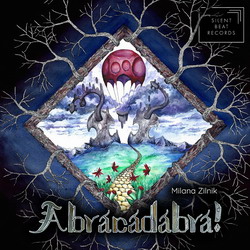
Abracadabra by Milana Zilnik AV Spotlight CD Review The cool breezes have already started to blow in the northeastern U.S. and the leaves are starting to let go their grip on the limbs they have clung to since the spring and slowly drift to the ground in ever increasing numbers. As we enter October, we know that come the 31st is a holiday that many of us look forward to every year but this year there’s another reason to look forward to October 31st and that’s the release of Abracadabra by Milana Zilnik. As you might remember we reviewedMilana’s last album called Notte here on AV back in May of 2019. We are pleased to see that she will soon be releasing another an enchanting album and what more appropriate time to release an album called Abracadabra than on Halloween 2020. About a year and half ago Milana bought a Hang drum and started to work with it to get a feel for how it would fit into the overall flow of her musical compositions. At first Milana was going to do a whole album based around the Hang drum but at a suggestion of her husband they decided instead to build the new compositions around the Hang drum, Milana’s piano playing, vocals and a cello and thus was Abracadabra born. I must say that the combination of these particular instruments creates a unique sound palette that shifts and swirls around you as the compositions beckon you to let go of your mundane surroundings for the remainder of the album and find the magic within yourself. |
|
Aeon V
|
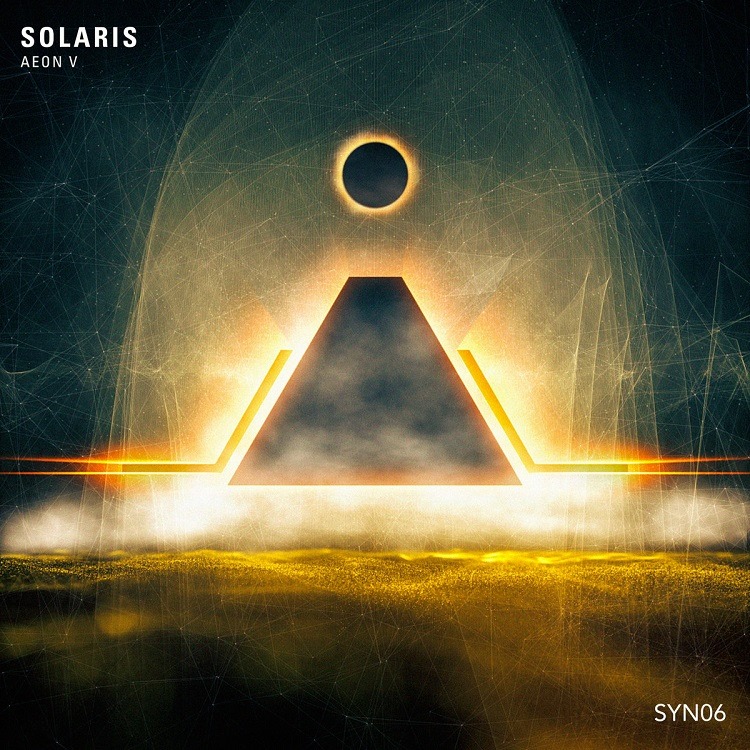
Solaris by Aeon V review by Richard Gürtler Highly sympathetic Californian label Synphaera Records, run by Chris Bryant and Don Tyler, quickly became an important voice on the map of ambient and electronic related genres with several top-notch sonic and visual gems resonating since 2015. Solaris "Aeon V" CDr, packaged in a 4-panel digipak and released in a limited edition of 150 copies during March 2017, is no exception. The project features Serbian soundsculptor Strahinja Maletic, one half of Fourth Dimension, and above mentioned Don Tyler, who is together with Chris Bryant the force behind Ascendant project. Sten Backman of Great Big Container gets credit for transporting cover image while Don Tyler is responsible for the mastering wizardry at his IO Mastering Studio. Gossamery tinkles announce 7-plus minutes long "Ritual" and shift it into contemplatively embracing sceneries, where mesmerizingly invading monochromatic drones amalgamate with balmily organic serenities and quietly paced traceries. A very strong introduction of Solaris' soundworlds!!! Nearly 6-minute "Levitation" unfolds suitably to its title, but soon it metamorphoses into intangibly sequenced terrains, pervaded by enchanting cinematic glimpses. "Inward" masterfully bridges gracefully sinuous vistas with illuminating traces. "Waiting" maintains its evocative scenario, yet again juxtaposed by anodynely marching patterns. "Roundabout", at 5 minutes the shortest piece on the album, glides towards intensely engulfing horizons, exquisitely nuanced and meticulously permeated by intriguingly nebulous solitudes. Pure aural elixir!!! Shimmering introspections with mysteriously flatlined meridians riding atop and persistently glittering scenic motifs carve truly magnificent imageries, "Intrinsic" is obviously another exceptional composition, bravo Strahinja & Don!!! |
|
Renée Blanche |
AV's Charts Night Tides Playlist
We just wanted to make sure that the readers of AV were aware of the radio shows like Renee Blanche's Night Tides that feature ambient and new age music each and every Sunday night. There are so many choices out there to listen to music that it might be tempting to skip shows like Night Tides or Star's End or Galactic Travels or Hearts of Space in favor of just pulling up a playlist on Spotify and listening to it instead. Renee and Bill and Chuck and Stephen have been spotlighting great ambient/new age music on their programs for many, many years now and I think listeners would be doing themselves a disservice by not taking advantage of all of that musical programming skills to help you on your journey of discovery into the vast catalog of ambient, new age and electronic music both past and present. So perhaps you weren't aware of these programs or of the music that they play but AV is here to help. We are going to start featuring a radio show on the front page with links to the charts on AV's Charts page so you can get a feel for what is being played on these radio shows. You can then follow the links under each chart to learn more about the program, what time it's on and even links that will allow you to stream it live right there on
your computer. It doesn't get more convenient than that. To kick off these reminders we'll start with Night Tides which airs on Sunday nights just in time to decompress you before heading off to work on Monday morning. There is a small sample of the playlist just below and for the complete playlist just follow the link and begin your musical explorations. A lot of us grew up in an era when radio was our main music discovery venue. These programmers are simply carrying on a proud tradition of helping listeners
such as yourself find the music that you didn't even know you were looking for. Enjoy! |

|
AV Goes to NYC
|
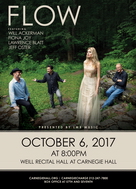
AV's Concert Review An Introvert Journeys to New York City and Goes With the FLOW As you may or may not know I tend to be a very introverted
person who is connected to a broad musical world via my Ambient Visions website
and rarely do I venture out into the really real world other than at a very
mundane level as I head off to work or to do a variety of equally unspectacular
chores that make up my daily life. On occasion though I am tempted to step out
of my ordinary introverted life and to step into that wider world which makes
introverts like me quiver in their boots and on an even rarer occasion I act on
those temptations and dive into that real world. October 6 was one of those days where the
benefit of venturing out overwhelmed my reservations and sent me off to the big
city to discover the joys of live music. What, you might ask, would tempt an introvert such as myself out of his seclusion and pull him to the big city? I’m glad you asked. I wanted to go with the FLOW. I know that doesn’t sound like a compelling reason and what the heck does it even mean anyway. The FLOW in this case is a new ensemble group that was celebrating the release of their first album simply entitled FLOW by performing as a group at the Weill Recital Hall at Carnegie Hall in New York City which is a celebrated musical mecca of the performing arts in the United States. The motivating factor here was the composition of the group and the nature of the guest artists who would be performing with them on that Friday night in New York City. |
Sounds
to
Listen For
Silent Heart
by
Kerani
Dreams Beyond Terra
by
Eleon
Sculptures
by
Micado
AOceanic
by
Jeff Greinke
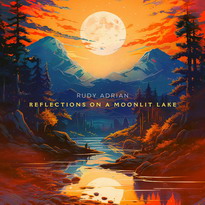
Reflections on a Moonlit Lake
by
Rudy Adrian
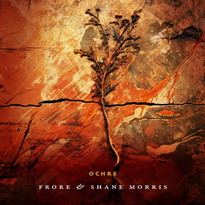
Ochre
by
Frore & Shane Morris
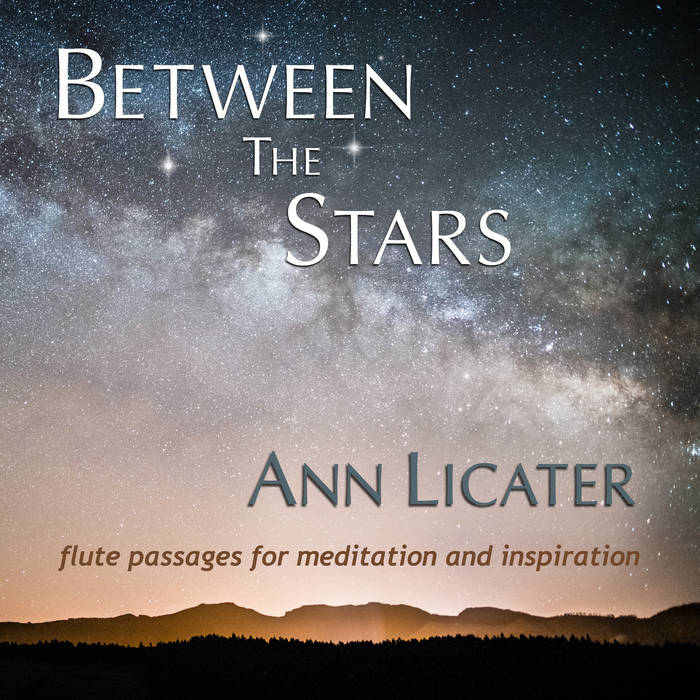
Between the Stars
by Ann Licater
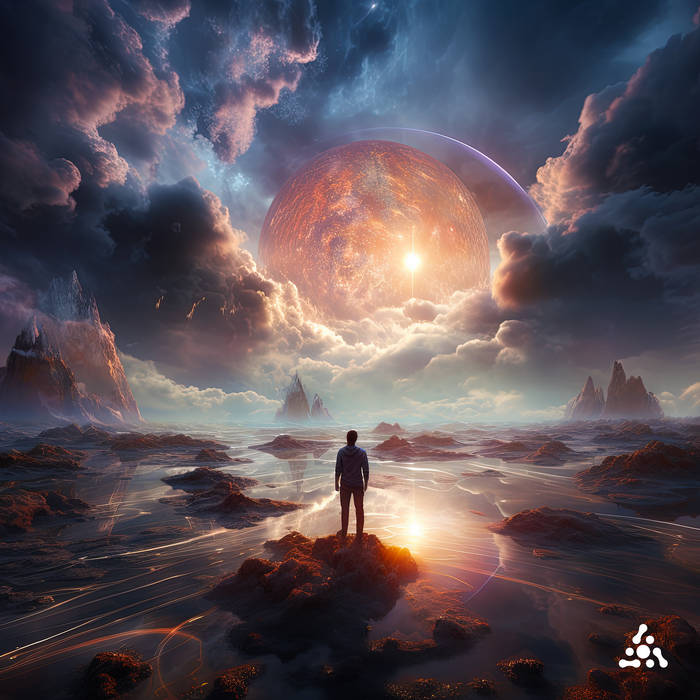
Cloudfields
by Richard Stonefield
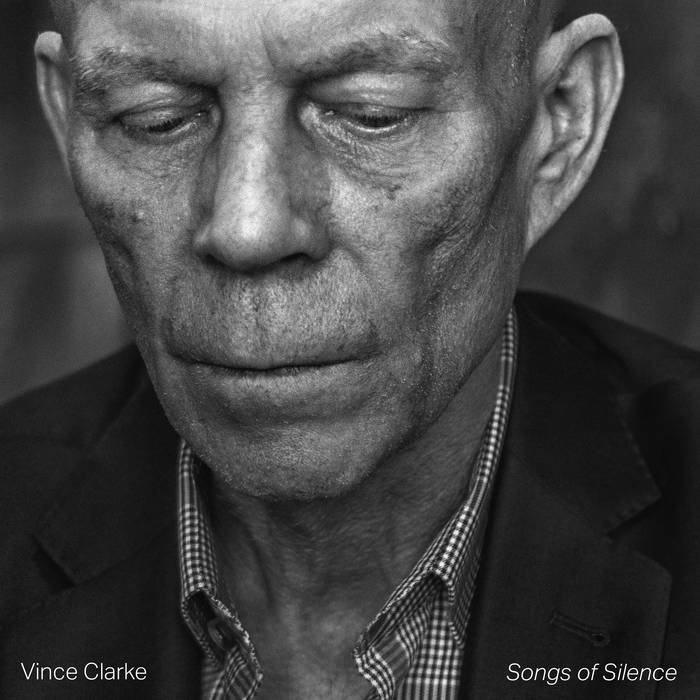
Songs of Silence
by Vince Clarke
Secret and Mystery II
by Various Artists

So She Howls
by Carla Patullo
Grammy Winner 2024
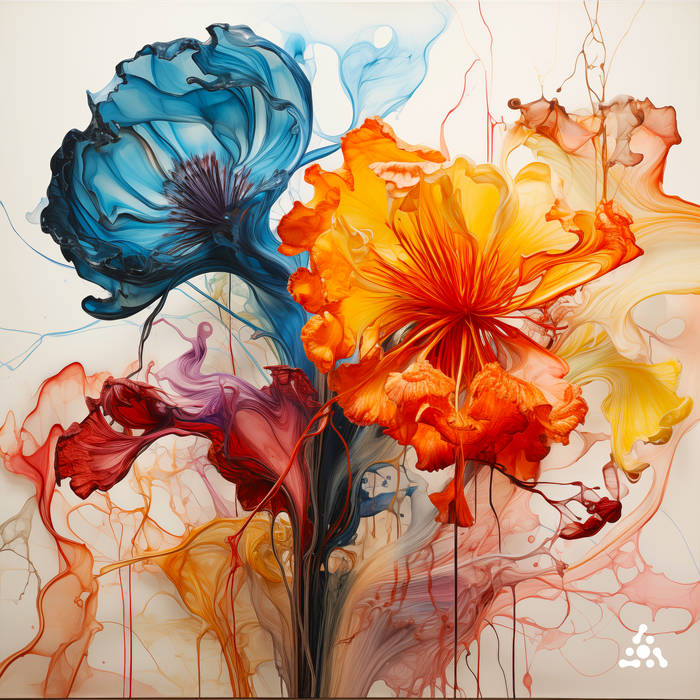
Colours
by
Astropilot
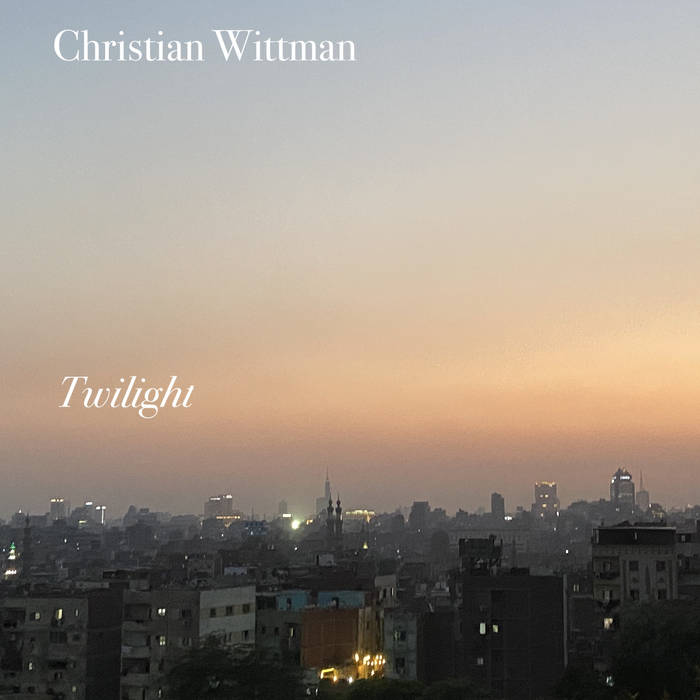
Twilight
by Christian Wittman
Phased Returns
by Exit Chamber
One Day Soon
(Original Motion Picture Soundtrack)
by Take Me There

Memory Islands
by Ellie Wilson
Works for Solo Piano
by Michelle Schumann
composed
by Eric Chapelle
Echoes From Infinity
by Thinking Fish
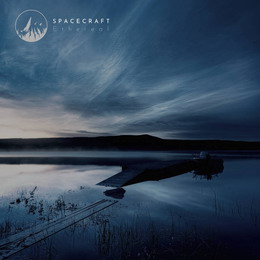
Ethereal
by Spacecraft
Infinite
by Morton Jones
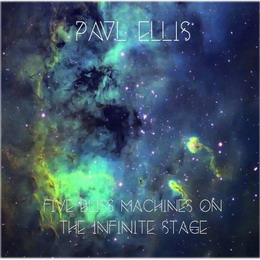
Five Bliss Machines on the Infinte Stage
by Paul Ellis
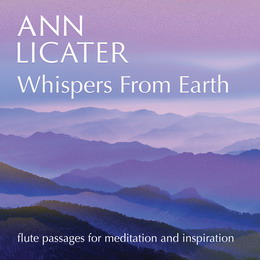
Whispers From Earth
by Ann Licater
Perennial Source
by Aglaia
Cosmic Dust
by Phillip Wilkerson
Peripherie
by rand
Man Down
by Shepherd Stevenson
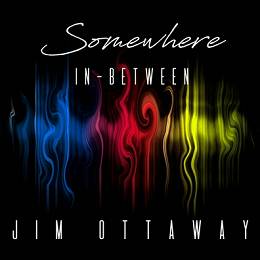
Somewhere In-Between
by Jim OttawayS
A Connection to
the Wonder
by Max Corbacho
Personal Myths
by Steve Brand
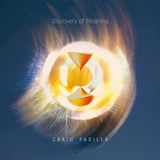
Discovery of Meaning
by Craig Padilla
A Place to Remember
by Thom Brennan
Scenery for
Blissful Oblivion
by Echosonica
Valengraph
by Richard Bone
Forever Cascades
by Forrest Fang
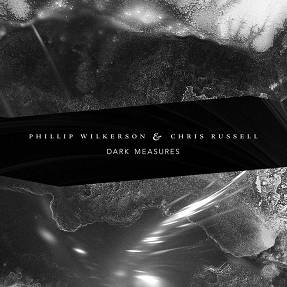
Dark Measures
by Philip Wilkerson & Chris Russell
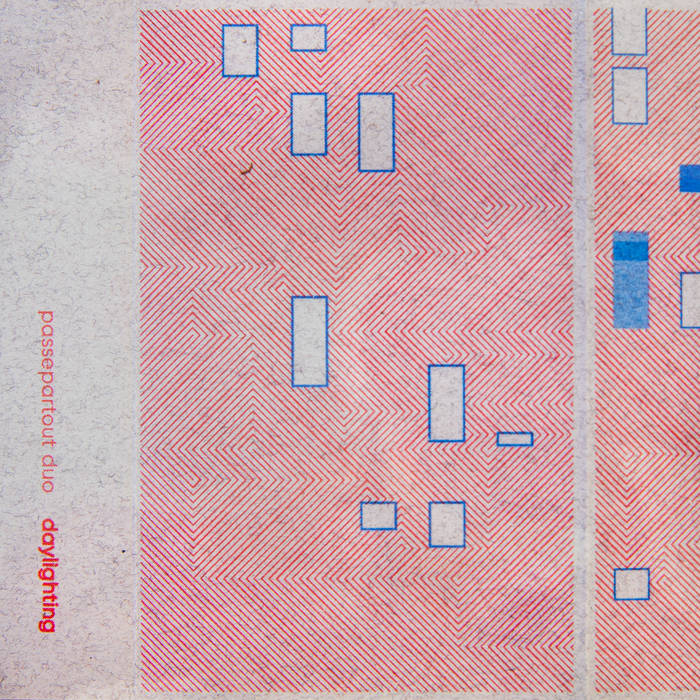
Daylighting
by Passepartout Duo
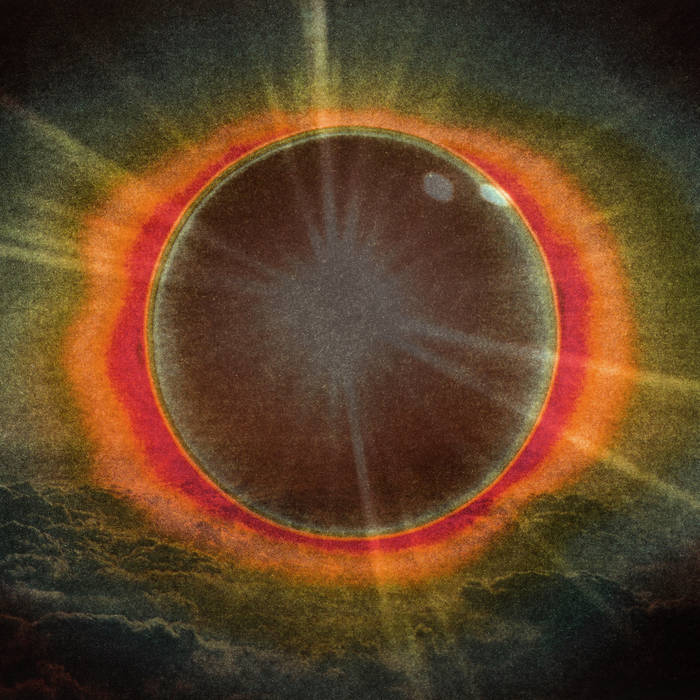
Diptych
by Growing
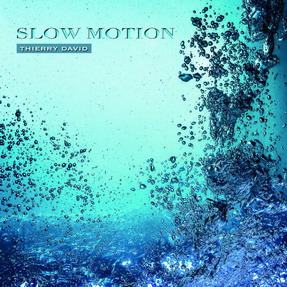
Slow Motion
by Thierry David
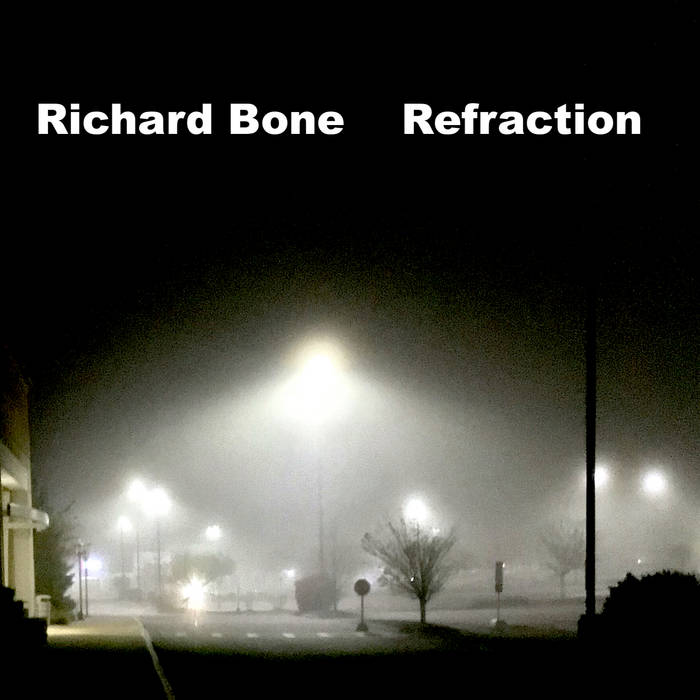
Refraction
by Richard Bone
How To Breathe
Like a Stone
by Andrew Heath &
Anne Chris Bakker
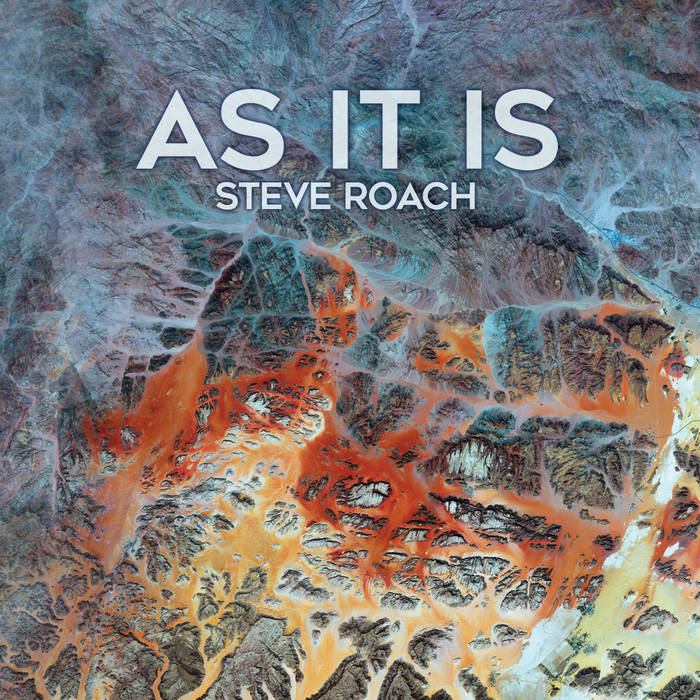
As It Is
by Steve Roach
Jökel
by Erik Levander
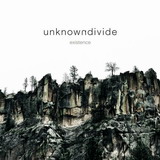
Existence
by unknowndivide